Repetition and Landscape Collide in Lesram's Takita Music Video


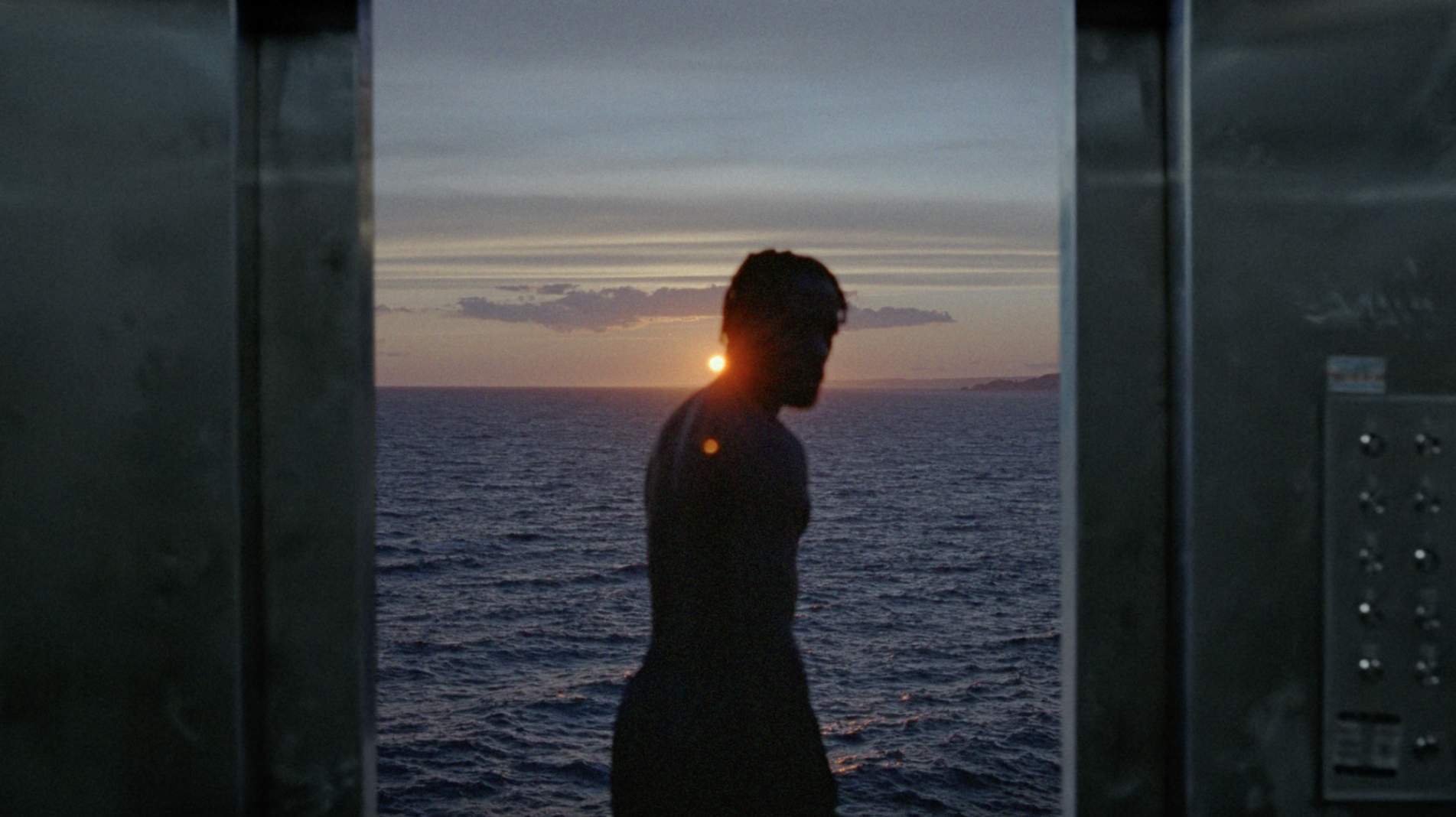
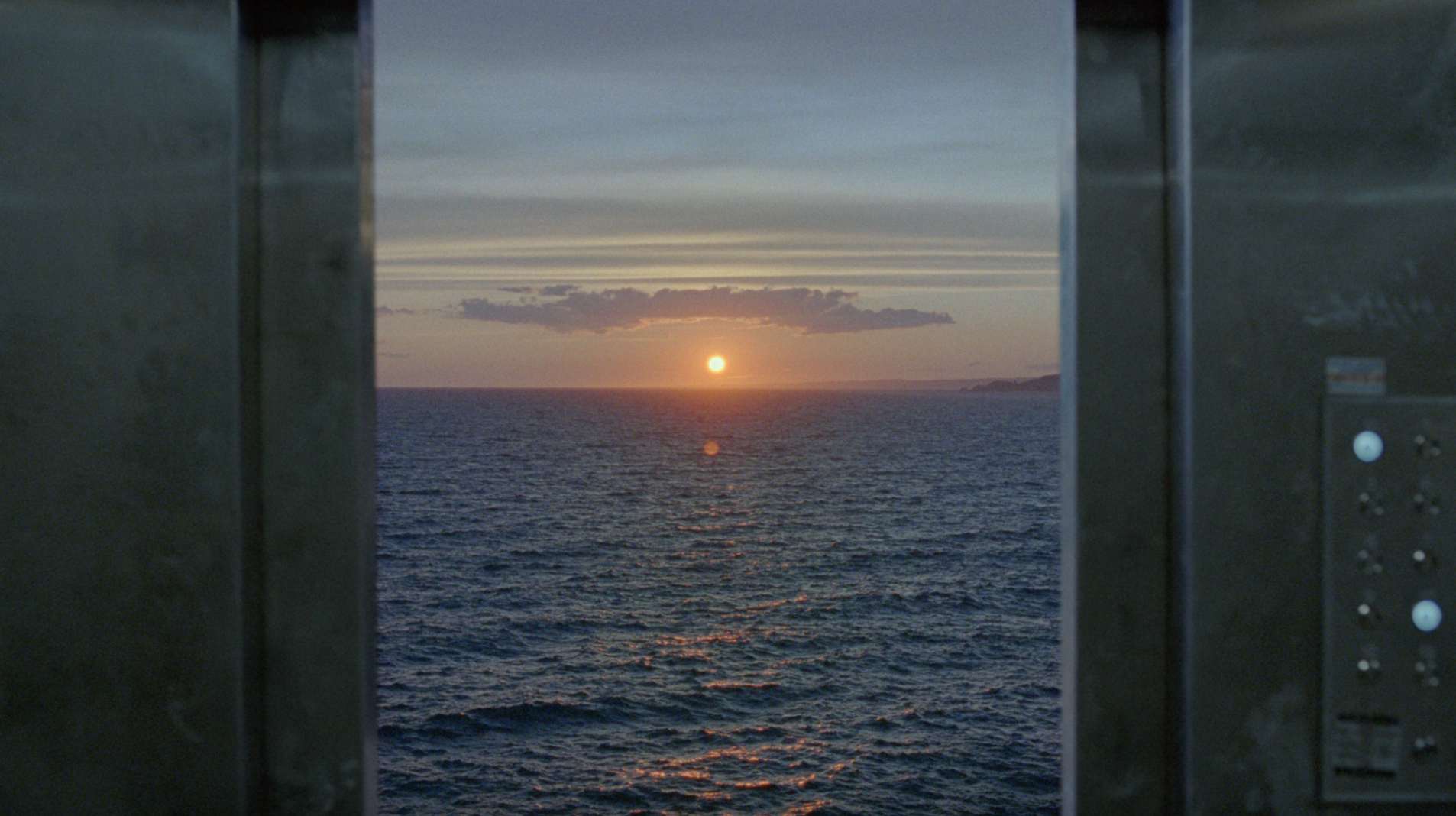
In Takita, Lesram moves through a world that shifts without ever really changing. An empty elevator, worn-out walls, the white hum of neon light. With every door that opens, a new landscape appears, sea, forest, desert, field. Yet Lesram remains still, caught between motion and stillness. Around him, life goes on: children play, a graffiti artist tags a wall, a neighbour carries her groceries upstairs. Takita unfolds in this in-between space, suspended between the reality of the neighbourhood and the dream of elsewhere. Shot between Marseille, Montpellier, and the Camargue, the film takes the form of a minimalist road movie contained within a single set. Using motion control, the camera repeats the same circular movement, creating an almost hypnotic rhythm that mirrors the cycle of everyday life. The elevator, a custom-built set, becomes both confined and porous, a mental corridor connecting the concrete of reality to the artist’s inner landscapes. Each rotation blurs the line between control and surrender, between the weight of routine and the possibility of escape.
“‘J’tourne en rond comme mon lexique’ — Our camera, stuck in an elevator, stands as the symbol of that. Landscapes pass by through the metallic doors that open and close as life in the building goes on. Stuck, dreaming of somewhere else,” commented Bleu Désert, directors.
Bleu Désert stands out as one of the most distinctive new voices in French music video direction. First recognised for their work with artists such as Nekfeu, Kekra, and Ziak, the trio approaches rap videos as a precise form of cinematic writing. From concept to post-production, they design set-ups that appear simple yet reveal a sharp visual control. With Takita, they continue this pursuit of stripped-down form, where movement becomes narrative and repetition turns into language. At the centre stands Lesram, motionless. A rapper from Le Pré-Saint-Gervais and former member of LTF and Panama Bende, he has built his solo path on rigor, honesty, and persistence. His writing observes the everyday without glorifying it. Through his label, Malvado, he has created an independent framework that allows him to oversee every aspect of his work, from sound to image. Takita reflects that independence, a dense, understated film where form and meaning align in a shared sense of coherence and self-determination.
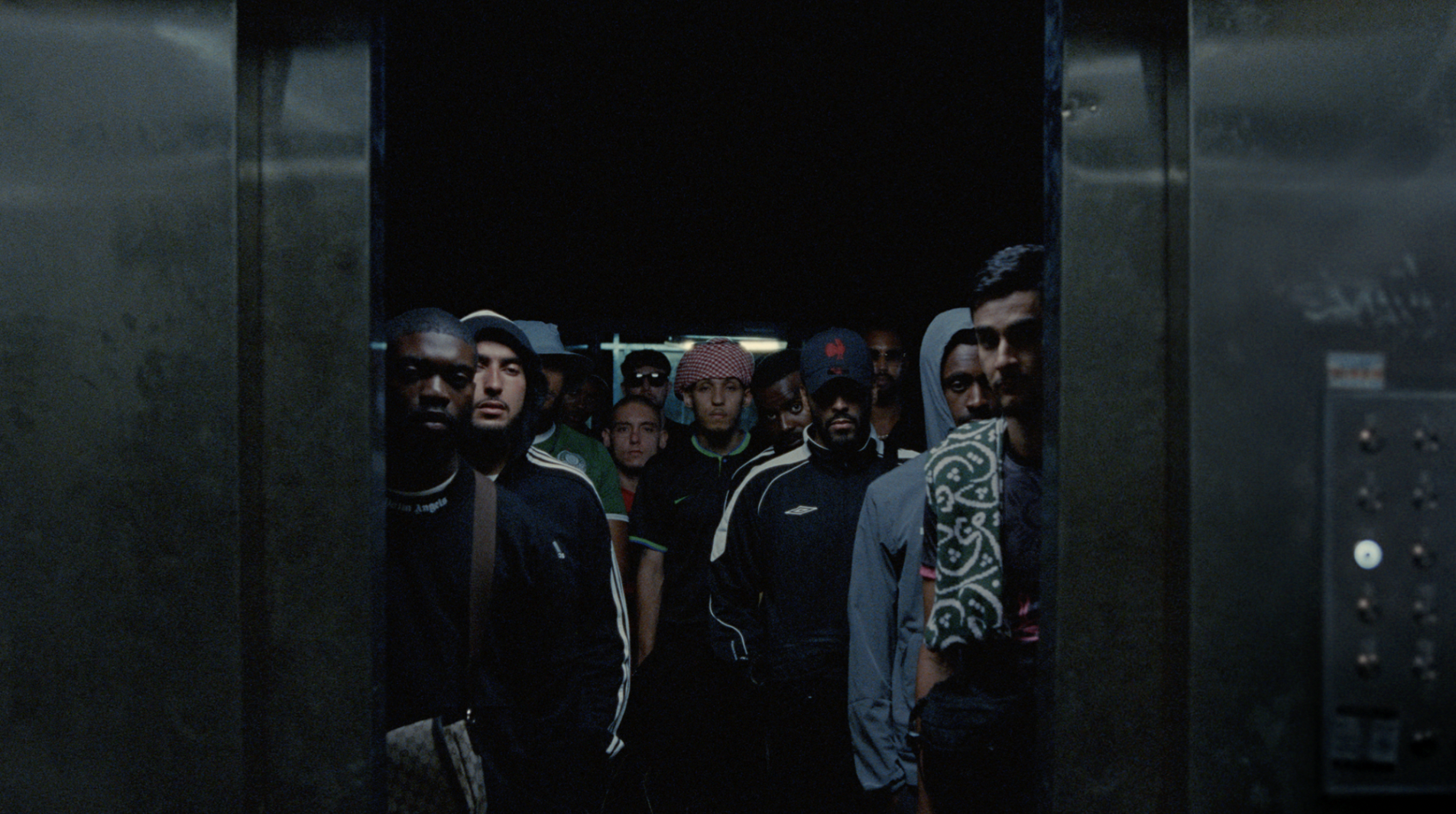
“Thanks to the support of the CNC, the technical challenge imagined by the directors was able to take shape. Shot on location at all hours of the day and night, the 35mm music video weaves together scenes that blend realism and dreamlike imagery,” said Ulysse Ancele, executive producer.
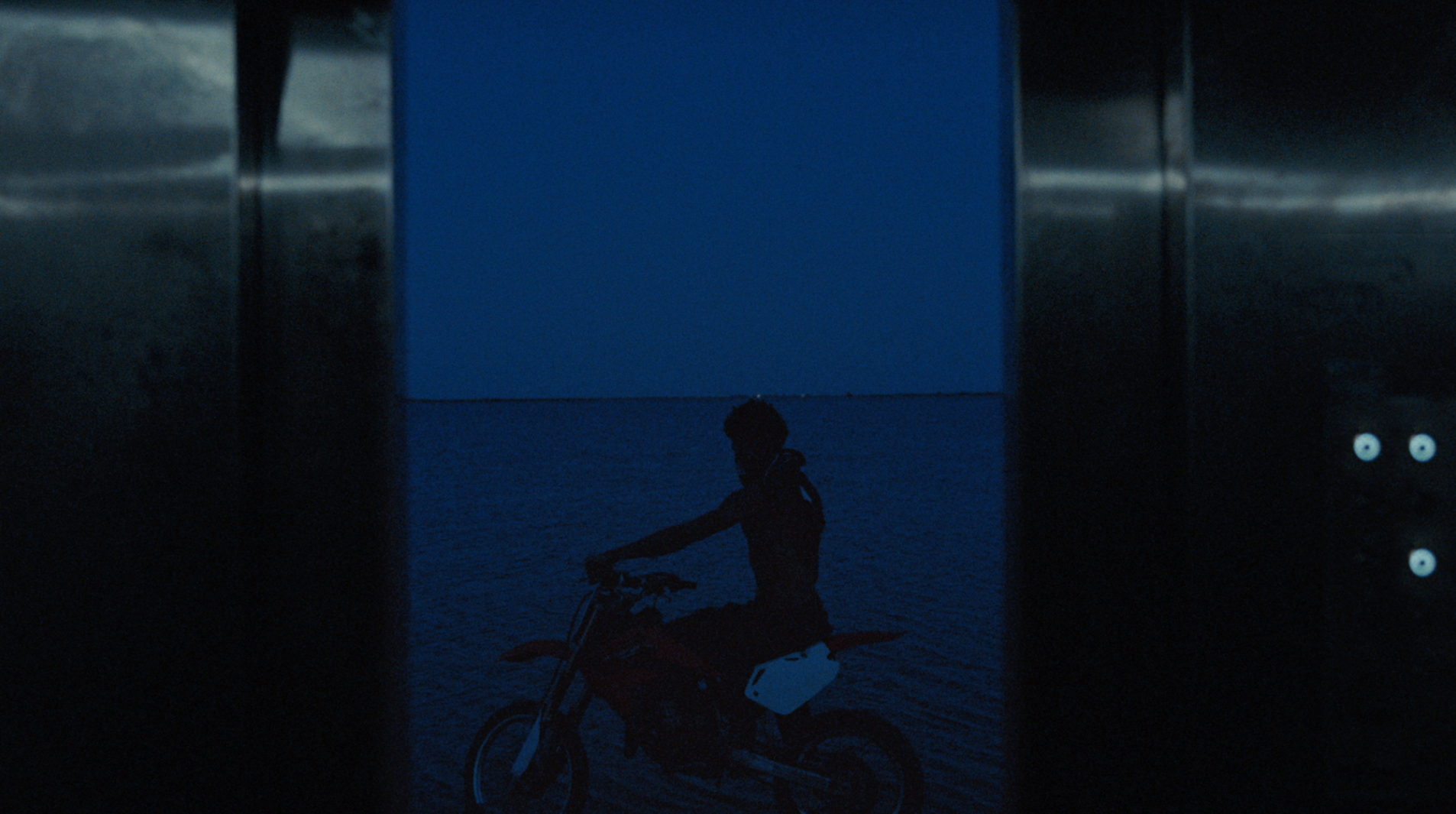
Produced by Henry, Takita marks the meeting of filmmakers and an artist bound by a shared vision: the music video as a total form of expression, balancing realism with introspection. Supported by the CNC, the project is part of a new chapter in French music video culture, where cinema, music, and visual poetry converge.