


Jungle Lifts the Lid on What It’s Like Working With Pixar


Pixar’s films remain a familiar cultural touchpoint, but while many may have spent their breaks enjoying the meticulously crafted animated worlds of ‘Turning Red’ and ‘Elio’, you might not have thought about the sonic work that underpins these films.
Jungle has been working with Pixar for several years, building a relationship rooted in trust, collaboration, and technical excellence.
LBB spoke to Jungle’s sound engineer, Stuart Allen-Hynd, about how that collaboration began, what it’s like to record VO and ADR for Pixar, and how technology is changing the way animated worlds come to life sonically.
LBB> How did your collaboration with Pixar begin?
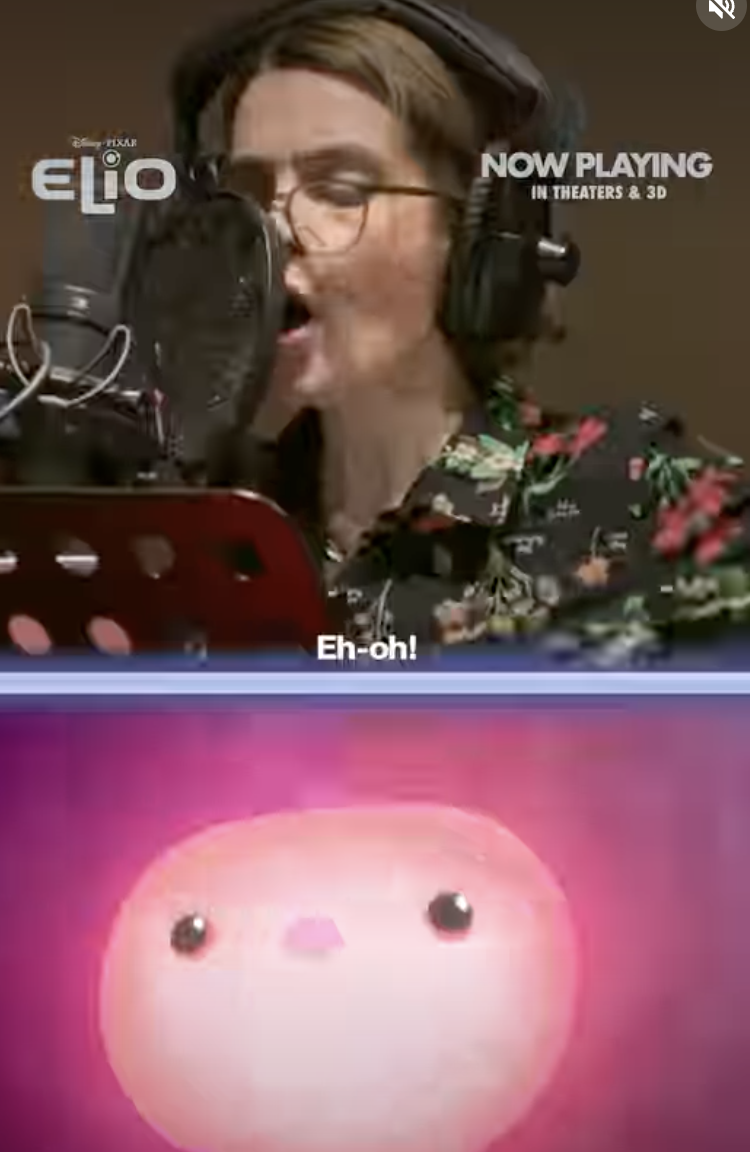
Stuart> It all began when Sandra Oh came in to do ‘Turning Red’ as she’d done a commercial with us before, so when Pixar asked which studio she wanted to use, she chose ours. I had also done ‘The Addams Family’ with Oscar Isaac, so maybe we were already on their radar. Then she came in a few times, and it just snowballed.
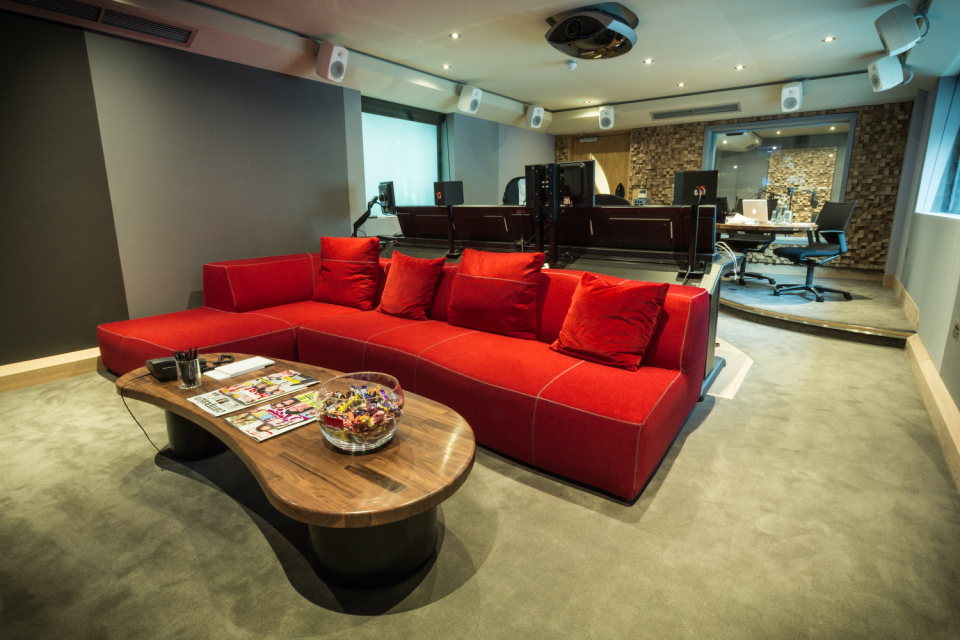
Our collaboration started through their San Francisco studio, which handles most of their actors. Traditionally, American actors will record there, but with today’s technology, we can have actors in London connect directly with Pixar, and we manage that process. Essentially, we act as their London partner, handling recordings and coordination locally. It’s been incredible to be part of that workflow, and it’s still a bit surreal, actually.
LBB> How has the relationship developed over the years?
Stuart> Trust and reliability are a big thing. Pixar engineers have told me before that I’m their ears, as they can’t hear everything coming down the line, like any clothing or jewelry rustles, any sibilants, any popping. They trust me to make calls where they can’t. Over time, we’ve built a collaborative process. They know how we work; we know how they work. And we aim to accommodate them with what they need and do our best.
LBB> What was it like working on Pixar films, ‘Turning Red’ and ‘Elio’?
Stuart> Creatively, I don’t have input on the script, so with those projects, they’ll have been working on them two or three years before they get to us. And I’ll only get the pages we need to record. Sometimes the crew comes over from the States to meet the actor and give a lowdown on the movie, the character, and the performance they want. Actors might suggest tweaks themselves, like, “You wouldn’t say that like this; you’d say it like that.” It’s about recording everything, the smallest giggle or comment that can be perfect.
LBB> What’s your role in the recording process?
Stuart> I don’t do sound design. My job is to enable the best environment for the actors to deliver their best performance. If there’s a delay in headphones or the vibe isn’t right, it can affect the performance. We also send camera footage along with audio so Pixar can lip-sync the animation to the actor. The actor’s performance actually shapes the animation.
LBB> At what stage are you brought into the process?
Stuart> Generally, the script is finalised, and they might be storyboarding. The visuals are just still graphics. If it’s an English actor they haven’t worked with, the director and scriptwriter might come over to meet them and sell them the idea. Early production is about building that relationship, as the actor might be nervous; they’ve never met the crew before. The director sometimes joins on Zoom or in person, mainly for the first session to coordinate and meet the actor.
LBB> How does recording for animation differ from live-action and commercials?
Stuart> It’s more imaginary-based and there’s more creative license. You’re building the world rather than capturing it. You might start with some reference audio, but animatics and animation give you more freedom. If a sound isn’t working after a minute, I’ll ditch it. If it works, that’s the one.
Pixar is all about feeling and their process is very gut-based. Commercials are more thought through, the tone, brand and line delivery is all considered in advance. In movies, the first take might be the one. In commercials, you often capture multiple variations.
LBB> How collaborative is the process and how much creative freedom do you have when you work with Pixar?
Stuart> It’s very collaborative. We talk through what we hear, actor positions, what might work. They know how we work; we know how they work. We accommodate what they need and do our best.
LBB> What are the biggest challenges of working on a Pixar film?
Stuart> One of the biggest challenges is recording two actors at the same time in the same room. It’s technically tricky but it does give natural chemistry. You can record remotely, but in the same room is preferable. And often, the director will prioritise performance over technical perfection.
LBB> And how has technology impacted your work?
Stuart> Technology has been a game-changer. We can send files immediately, and Pixar can start editing within half an hour. Teams can collaborate globally over Zoom without losing the intimacy of in-person sessions. It makes everything more versatile.
LBB> Is any of the magic lost since animation comes later?
Stuart> Not really. Lines are captured without context sometimes. You can hear a funny line, but you don’t know which take it will end up being in the film. By the time the film is complete, it’s gone through many stages and feedback loops.


