


The Crystal Creative on Finding Its Edge in the Trailer–Ad Crossover


The first time I meet The Crystal Creative, they are in their Portland office, and I can’t help but ask what’s filling the basketball hoop behind them. I’m told it’s awards. “Some people put them on a shelf,” says founder Tommy Phelan.
When I learn more about them, the visual metaphor becomes almost too easy – awards won for work that broke out of advertising’s usual lands, collected inside of a symbol of play. It’s a deliberately irreverent display that says as much about the shop’s non-traditional sensibility as any reel ever could.
Back in 2014 when Tommy launched The Crystal Creative, he wasn’t trying to build a company; he was just trying to help his musician friends pay rent. “I was a touring musician and all my friends had songs sitting on their hard drives. They were composers trying to make money, and I wanted to help them make ends meet,” he says. What followed was “a very simple, organic concept” that grew into a 12-year-old operation shaping the sound of trailers, video games and now, increasingly, advertising.
The Crystal Creative’s origin story is one of those rare ones that still holds its shape a decade on. Tommy’s background straddled two worlds – musicians on one side, video editors on the other – and when agencies started asking him for music, he found himself in a space he “had no idea existed”, discovering music supervision and custom composition in a stroke of serendipity. But the ethos hasn’t changed. “Honestly, if we had a mission statement, it would still be to make artists as much money as we can in a really hard music economy,” he says. “We try to do that with high taste, high curation and high creativity.”
Chad North, who joined eight years ago, was drawn in for the same reason. “The importance of that openness and trust is vital because so many composers have been taken advantage of.. It’s already hard enough,” he says. “The best part of our job is calling composers to tell them they’ve landed a win, that they’re getting a cheque and can make a living doing this while creating more art. That’s the heart and soul of the company for me.”
In those early years, Crystal Creative built a reputation for left-of-centre thinking – a place where composers who’d had rough experiences with “legacy music shops” could work on creative, boundary-pushing briefs and keep their artistic point of view intact. “We start from a place of excitement and boundary-pushing, and if we need to pull it back, we can,” Tommy says. “We always wanted to break the norm – both in a business sense and a creative sense.”
But while the philosophy stayed consistent, the company itself evolved. The first seven or eight years were about momentum – building relationships, travelling constantly, and figuring out where Crystal Creative fit in the landscape. Then Covid hit, advertising production came to a halt and, unexpectedly, everything changed.
“When ads stopped… one of the best decisions we made was pivoting into video games and movie trailers,” Tommy explains. With production frozen and studios churning out entertainment for a world stuck indoors, Crystal Creative jumped. Those first six to 12 months delivered early wins – A24, HBO – and word spread quickly. “Since then, the video game and trailer side has exploded,” he says. “We’re very fortunate to be at the table for a lot of this work now.”
And there's been plenty of growth. Crystal Creative worked on five of the eight biggest opening-weekend blockbusters last year. They “landed finishes for most of the tentpole trailers on Superman”. They won awards for Joker. They landed the main trailer for Anora, which went on to win Best Picture. As Chad puts it, “It’s both the big blockbusters and the award-winning indies.”
Their gaming work is equally entrenched. “EA Sports FC – what used to be FIFA – is a big one,” says Chad. “We’ve won awards for the last two years of their big reveal campaigns.” The list stretches wide: Battlefield, Apex, UFC, NHL. “It’s a relationship that keeps blossoming and thriving.”
But the most interesting turn in Crystal’s evolution is what happened next. Ads came back – but the calls weren’t the same as before. Agencies were phoning them because of their trailer work.
“The sound of trailers is reshaping advertising,” says Tommy. “That’s genuinely what’s happening.”
Directors building treatments were referencing cinema, not ads. Brands were looking for that same bolder, cinematic, emotionally heightened sensibility. And Crystal Creative – now acquainted with blockbuster storytelling – found itself well-positioned. “We were brought onto a big Wieden+Kennedy project – a Minecraft and McDonald’s collaboration – because we’d done the trailer for Minecraft,” explains Tommy. Then came HP, who wanted something “really A24 – weird, quirky breath sounds”. The crossover clicked.
“We’re not a trailer shop trying to jump into ads – ads have always been part of our DNA,” says Tommy. “Now this new trailer experience is helping us create this beautiful marriage between the two.”
It’s given Crystal Creative its own identity in a saturated market; they bring trailer-scale ambition to the 30-second stuff. “They’re not writing ‘ad music’. They’re just writing good music. Cool music. Elevated music,” Chad says of their composers.
For Tommy, a lot of the work that excites him still starts with directors. “Some of the best music pulls in the industry come from directors,” he says. “When we get in early enough… the creative is so beautiful and unaltered. It’s raw.” Crystal’s reputation for finding the unexpected – a B-side Afrobeat track, a “sick electronic track with that Fred Again–energy” – is part of that appeal. “We like the challenge of finding things that feel different.”
The team today is lean by design, with six full-timers and nearly 50 composers and instrumentalists around the world. They made a conscious decision after Covid to avoid building a giant, showpiece studio. “The tide is changing,” Tommy says. “All the coolest sound design companies are just duos opening remote shops and crushing it.” Agencies are remote; mix sessions have moved online; the cultural footprint of physical space no longer justifies the overhead. Crystal Creative’s remote-first setup has become a strategic advantage.
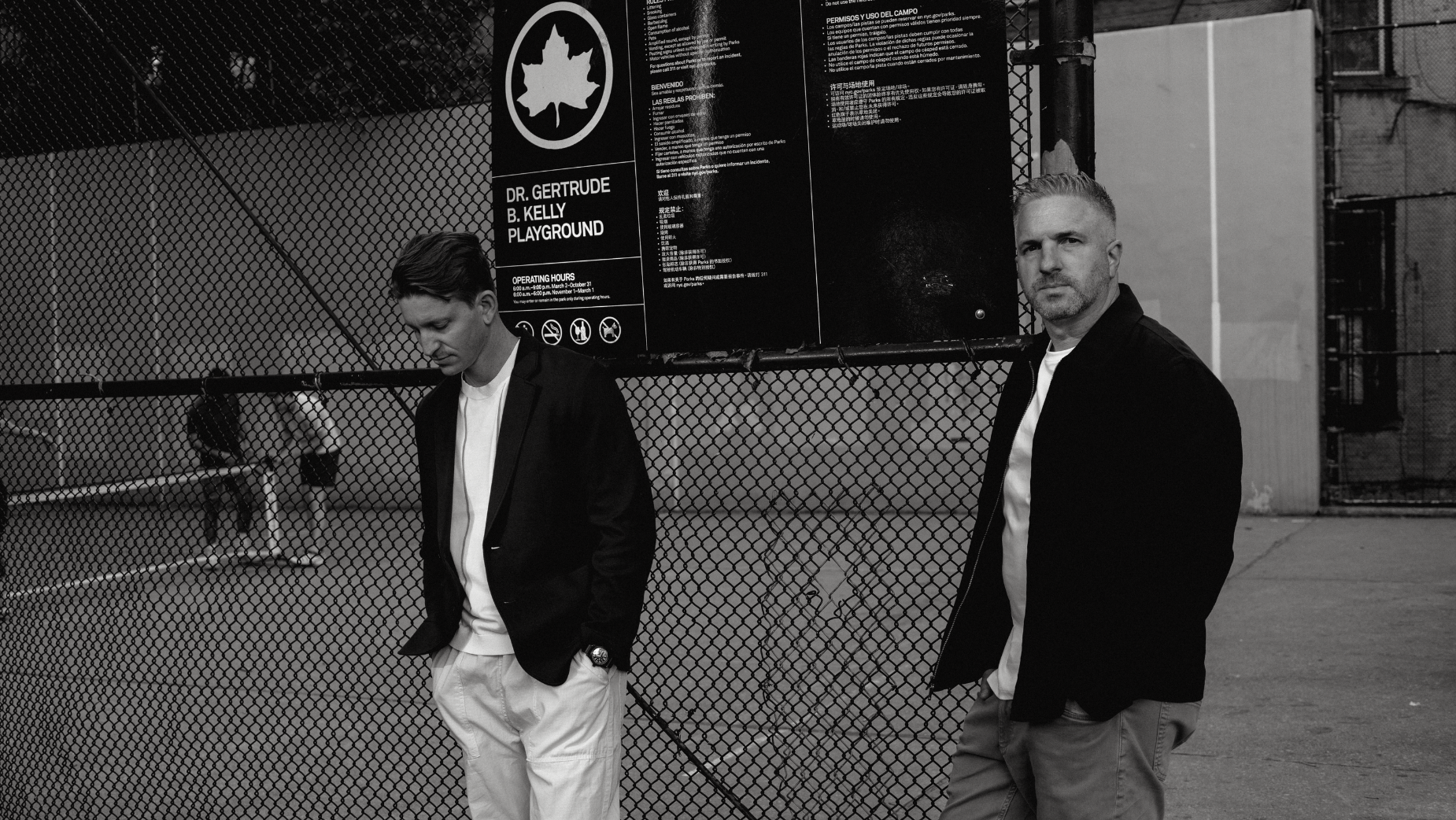
The company’s next phase isn’t about hyper-scaling – it’s about protecting the thing that formed the DNA in the first place. “There’s a sweet spot,” Tommy says. “We’ve always wanted to live in the sweet space between two worlds,” he says. “We want to be the cool kid with insane ideas, but also the company that can take on your biggest job, your Super Bowl spot.”
For him, the true measure of success over the next five years is simple: keep the spirit intact. “No matter how big we get, we treat artists well. No matter how big we get, our team takes creative seriously,” he says. “Gratitude, treating people well, keeping perspective.”
And above all, preserving the tiny protected corner of the industry where artists can still make a living. “With AI, streaming and all the battles around how hard it is to make money as an artist, we’re so grateful that this area of music still exists and is legally protected,” Tommy says. “Somehow we’ve found this protected space we can preserve and nurture.”
The Crystal Creative began as a desire to help musician friends. Twelve years later, that impulse still drives the work – only now, it’s crafting the sound of blockbusters, games, and a new wave of advertising that's hungry for something strange and beautifully different.


