Between Mundos: Finding Strength in the In-Between of Culture and Strategy


I’ve always felt most at home in the in-between.
Born in Brazil, raised partly in the US, and now working in social strategy at the intersection of brands and culture, I occupy a space that refuses neat labels. I’m not Hispanic by the technical definition — Brazil speaks Portuguese, not Spanish. But I am Latina. I belong to the Latin American diaspora, even if I don’t always fit the 'box' it comes in.
It’s a familiar tension: belonging and not. Embracing and resisting. Seen and unseen. Over time, I’ve realised this duality isn’t just part of my identity. It’s a strategic superpower.
Seeing the Spaces Between
In advertising, multicultural strategy often comes with a checklist. As director of social at Lafayette American, I know cultural fluency can’t be reduced to boxes. It’s about recognising nuance, layers, and patterns most skip over.
Our heritage is vast. It’s Indigenous, Afro-descendant, immigrant. It’s colonised and decolonising, resilient and resisting. It’s Portuguese and Spanish and Spanglish and Portuñol. It’s reggaeton and baile funk. Bad Bunny and Chico Buarque. Miami and Manaus. It’s not a monolith — and our work shouldn’t treat it like one.
Being Brazilian in spaces that default to Spanish-speaking definitions of 'Latino' has made me hyper-aware of who gets included, who gets erased, and which stories get told. That tension fuels my work.
My 'in-betweenness' has trained me to notice faint but critical lines: how Dominicans party, how Mexicans pray, how my Brazilian family talks over one another at dinner. And at 13, when I joined my suburban Michigan high school cheer team — decked in red, white, and blue while humming Charlie Brown Jr. between chants — I learned the art of public assimilation paired with a private soundtrack. That quiet contrast has never really left me.
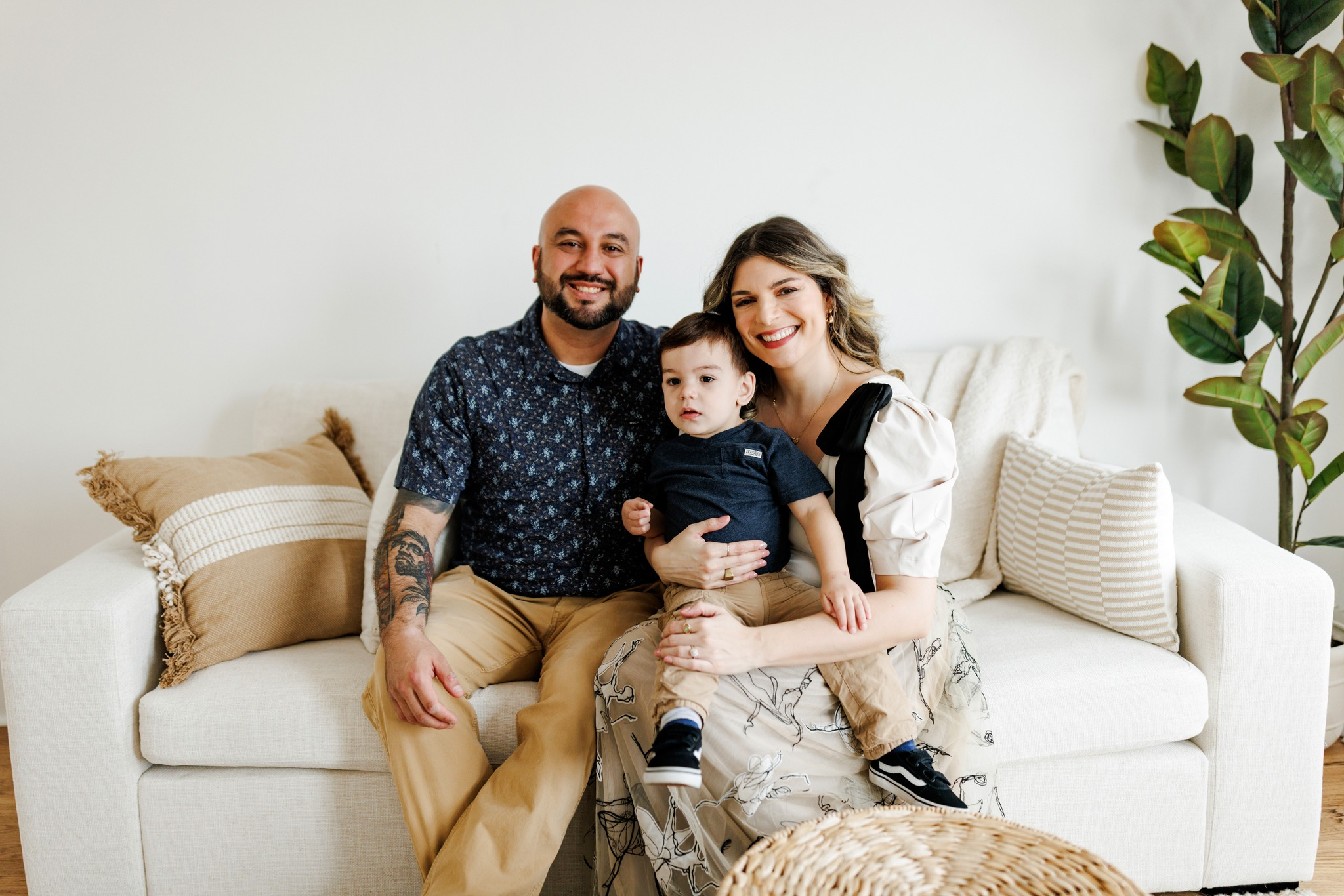
Now, as a mother raising a first-generation Brazilian-American son, the stakes feel sharper. I want him to know his roots (Music! Food! Language! Pelé!) while also hoping he’s never made to feel like embracing those things means he doesn’t belong in his home.

Assimilation, Erasure, or Embrace?
Not dissimilar to my first instincts as a 13-year-old, too many brands conflate assimilation with acceptance. In the rush to 'general market relevance,' do we risk flattening identity into stereotype because it’s neater? Easier to contextualise? That’s not inclusion, that’s erasure.
This is especially urgent now. Latin Americans are the fastest-growing demographic in the US, yet our communities are surveilled, scapegoated, and told — through policy and tone — that we don’t belong. Families separated. Asylum seekers detained. Language, expression, identity: policed, not celebrated.
So when brands speak to Latin Americans, it’s not just about cultural relevance. It’s about moral responsibility. Visibility can be resistance. Cultural preservation, in the face of assimilation, is survival. Every brand decision — casting, colours, copy — either reinforces dignity or chips away at it.
If we want to show up for this audience (like, really show up), we need to do more than translate. We need to respect the full, messy, politicised complexity of Latinidad.
Strategic Empathy
Strategy is pattern recognition — in data, yes, but also in people, culture, and the friction between how things are and how they could be.
My Latina background helps me spot patterns others miss. At Lafayette American, it gives me space to ask sharper questions: when is a brand trying to connect but missing context? How do we advocate for nuance, not just numbers? How do we surface stories that rarely get centre stage, and give them the dignity they deserve?
Complexity isn’t a barrier. Complexity is the connection.
The Future Is Plural
Heritage isn’t static. It evolves. It stretches. It dances.
So here’s to those who navigate multiple worlds at once and code-switch without thinking. To those who translated for their parents, heard their names mangled in meetings, or were made to feel their ideas mattered less because they came wrapped in an accent. I see you. And I see the insight in those experiences.
Let’s redefine the 'mass market' not by flattening culture, but by expanding what we consider essential. Let’s make room for different accents, rhythms, and stories. Let’s hire and empower voices from across the Hispanic and Latin American spectrum — in our agencies, and in our work. (And yes, hand the office playlist to one of us every once in a while — you’ll thank me later.)
The future isn’t colourblind. It’s colour-ful. Culture-rich. Unapologetically vivid.
And those of us who live in the in-between? We’ve been building toward that future all along.