


Why the Balkans Are Becoming Europe’s Most Versatile Casting Hub


The Balkans offer one of the most visually, culturally, and linguistically diverse casting landscapes in Europe. Shaped by centuries of migration, cultural exchange, and shifting borders, the region is home to an exceptional range of faces, languages, accents, and lived experiences. This richness is increasingly visible on screen and has become one of the Balkans’ strongest assets for contemporary film and television production.
The region’s casting potential reflects its deeply multicultural reality, encompassing a wide spectrum of ethnic backgrounds, religions, generations, and identities. Balkan actors bring a broad range of looks and character types, from distinctly local to internationally adaptable, enabling productions to authentically portray stories set across Europe, the Middle East, and beyond. This versatility has made the Balkans especially attractive for international projects seeking credible and varied ensembles.
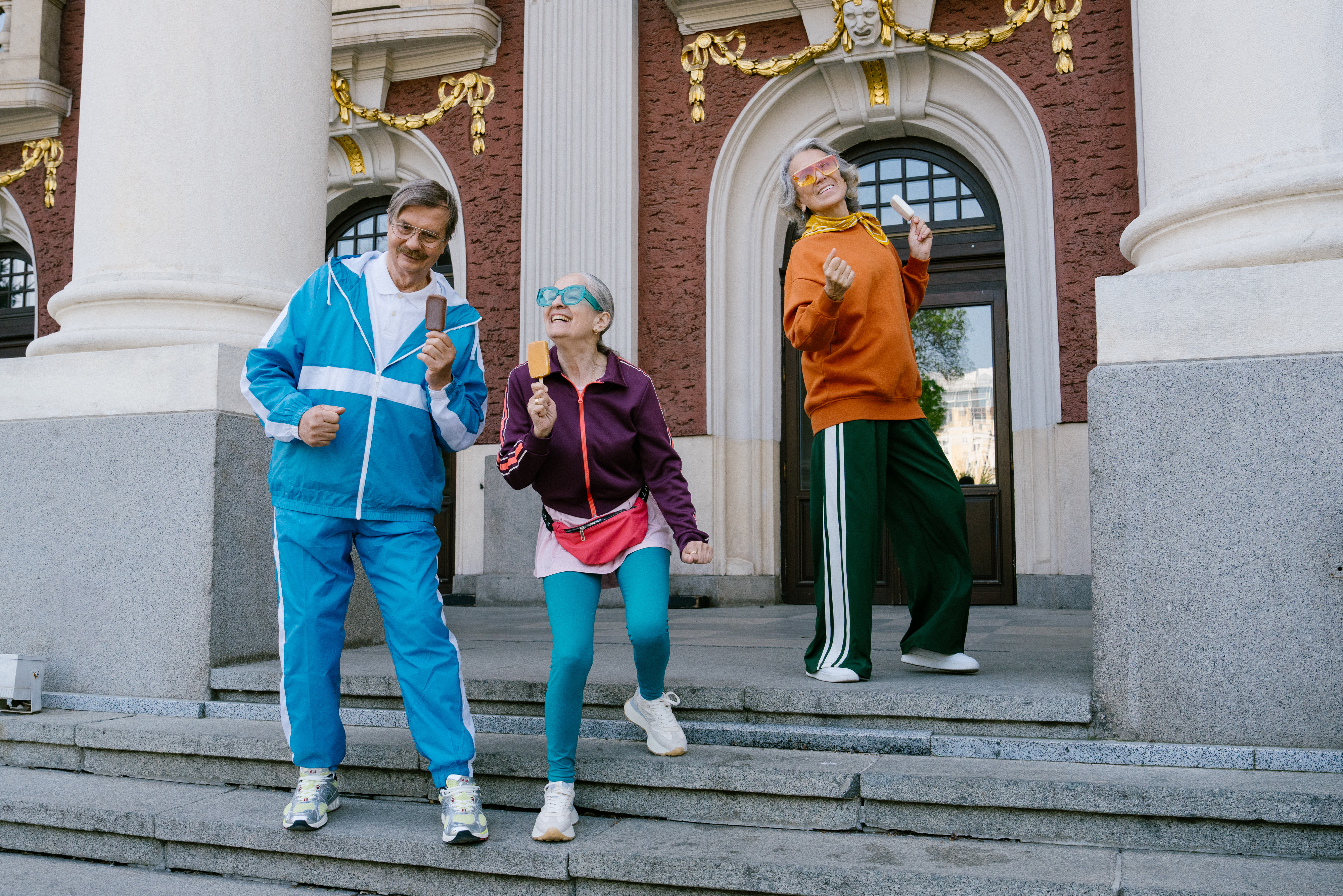
Balkan cinema has long been rooted in character-driven storytelling, a tradition that naturally supports inclusive casting. Actors from the region are known for their strong professional training, emotional depth, and adaptability across film, television, and theatre. Many are multilingual, speaking several Balkan languages alongside English and other European languages, further expanding casting possibilities and supporting cross-border narratives.
Ethnic and cultural diversity is a lived reality across the Balkans, and contemporary productions increasingly reflect this on screen. Slavic, Mediterranean, Ottoman, Roma, Albanian, Turkish, Middle Eastern, and other influences coexist throughout the region, creating a casting pool that feels both authentic and globally relevant. Rather than relying on a single dominant image, Balkan casting embraces contrast—different skin tones, facial features, body types, and personal histories that add realism and depth to storytelling.

International co-productions have further amplified this diversity. As Balkan countries continue to collaborate with European and global partners, casting processes have become broader and more inclusive. The expansion of free movement across parts of the region has simplified logistics and reduced travel barriers, allowing productions to more easily assemble truly international and diverse ensembles across the wider Balkans.


