


When Personal Stakes Drive Purposeful Storytelling


When the creatives behind a brief approach the work with a lived understanding of the narrative, it always shows. The beating heart of the story is illuminated on screen. And this was the case with Townsend Hurst’s latest work for caregiving non-profit organisation Early Edge California.
Delivering high concept creative with heart, the St. Louis-based production company is built upon the tenets of empathetic and emotive storytelling. Founder and director Nate Townsend talks openly about how he sees the most potential in powerful narratives that deeply move him, knowing that these types of projects will allow him to lean into the narrative power of the craft. Given the production company’s proven track record of conveying meaningful stories inspired by real people and real experiences, it makes total sense that Early Edge would tap the team to collaborate on their new campaign.
Informed by his own lived experiences of juggling working parents with caregiving, Nate explains how the subject matter at the core of ‘Mr Turtle’ was not “abstract” but rather a familiar truth that he and his community have felt the reality of. Here he tells LBB’s April Summers how Townsend Hurst’s tight-knit team of creatives – which included his wife as production designer; their own home; and a real-life mother and daughter act – helped convey the meaningful intention behind this film.
LBB> We last spoke when I was writing about your previous project, The Gift of Music, which was deeply personal, drawing on real-life experiences and family connections. This Early Edge California commercial shares a similarly intimate and emotive feel. How did you bring that same emotional authenticity to the project?
Nate> My favourite kind of commercial leans into the narrative power of film craft: taking a set of data points and campaign messaging and translating them into a living, breathing character and a short, resonant story. When I’m writing and directing, I always begin by combing through the creative brief in order to find the human truth in between the lines. Who are the people behind these talking points? What real face and name can we give the audience and the organisation?
That’s really the core of my approach. I’ve always believed in the old adage, “Tell me the facts and I’ll learn. Tell me the truth and I’ll believe. But tell me a story and it will live in my heart forever.” If the story is honest, grounded, and emotionally specific, the message naturally follows.
And as AI becomes more prevalent in our industry, I think that kind of authentic, human storytelling rooted in real emotion and lived experience will only grow more vital.
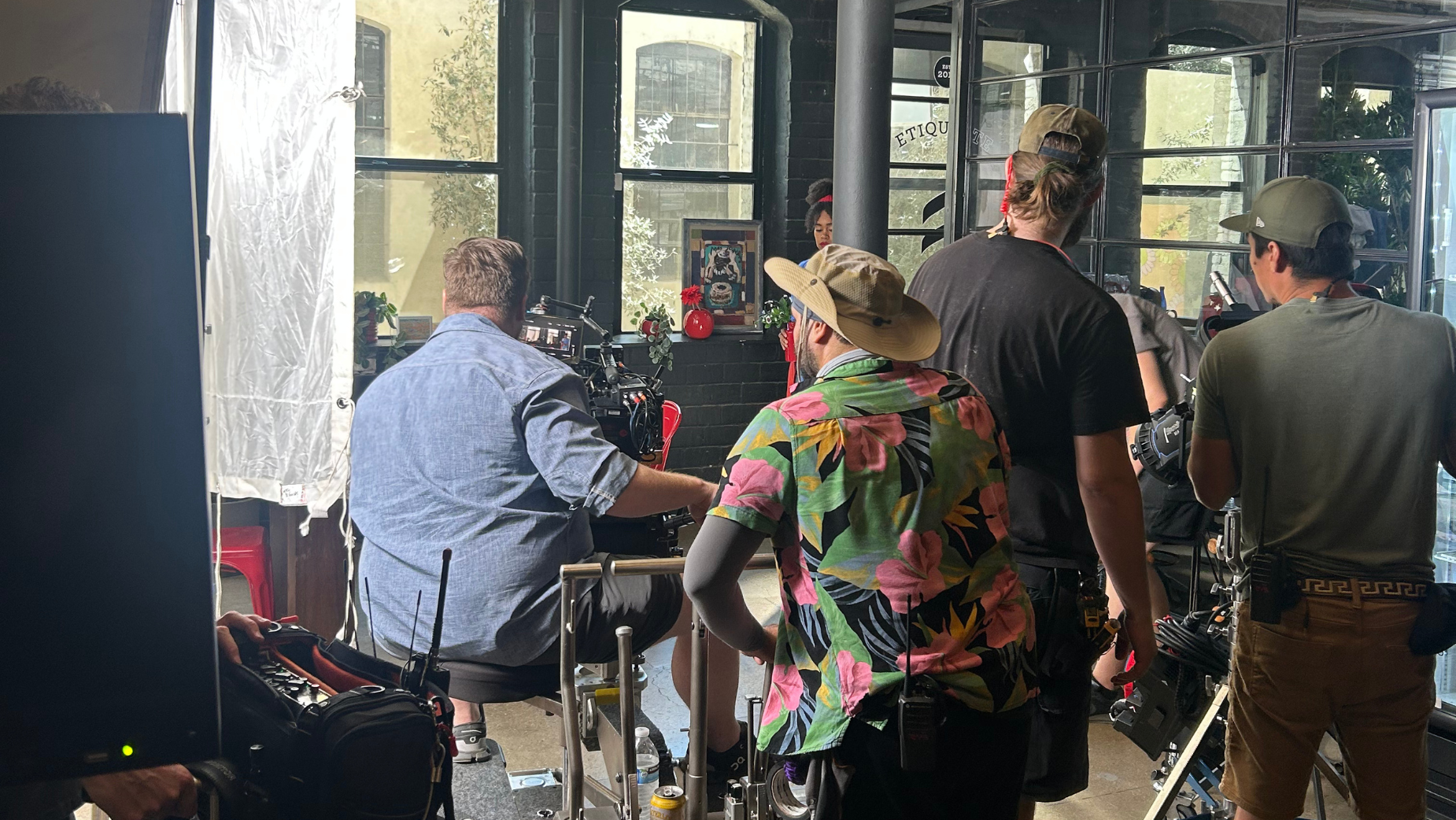
LBB> What role did your personal experiences play in shaping the final film?
Nate> As a California resident, I’m surrounded by friends and families navigating the challenges of childcare, or putting off having kids altogether because the costs feel insurmountable. For this reason, the issue wasn’t abstract for me; it was something I was hearing about constantly in my own community.
On a more personal level, my wife was seven months pregnant with our first child while I was developing this spot. Conversations about childcare – what it costs, what it looks like, how families manage it – were happening daily in our home. That naturally shaped how I approached the piece.
From a narrative standpoint, I think anyone with young kids recognises elements of this story: the early-morning rush, the misplaced toy, the feeling of always borrowing time. We all know someone living a version of this daily rhythm, and tapping into that familiarity helped ground the spot in something true and universal.
LBB> The commercial captures the complex emotions of a working mother. Was there a particular moment or scene in the script that you felt encapsulated the heart of the story, and how did you ensure that emotional depth came through in the final cut?
Nate> Absolutely. For me, the heart of the piece lives in that brief, wordless glance between the mother and the caregiver after the daughter runs into her mom’s arms. It’s a tiny moment, but it carries so much weight: gratitude, relief, mutual understanding. In that exchange, you see the real backbone of the story. Caregivers don’t just support children; they hold up parents, and by extension, entire communities.
Bringing that moment to life came down to honouring its subtlety. We focused on understated, honest performances from the actors, kept the coverage simple and unobtrusive, and gave the scene room to breathe in the edit. The emotional depth comes from its simplicity.
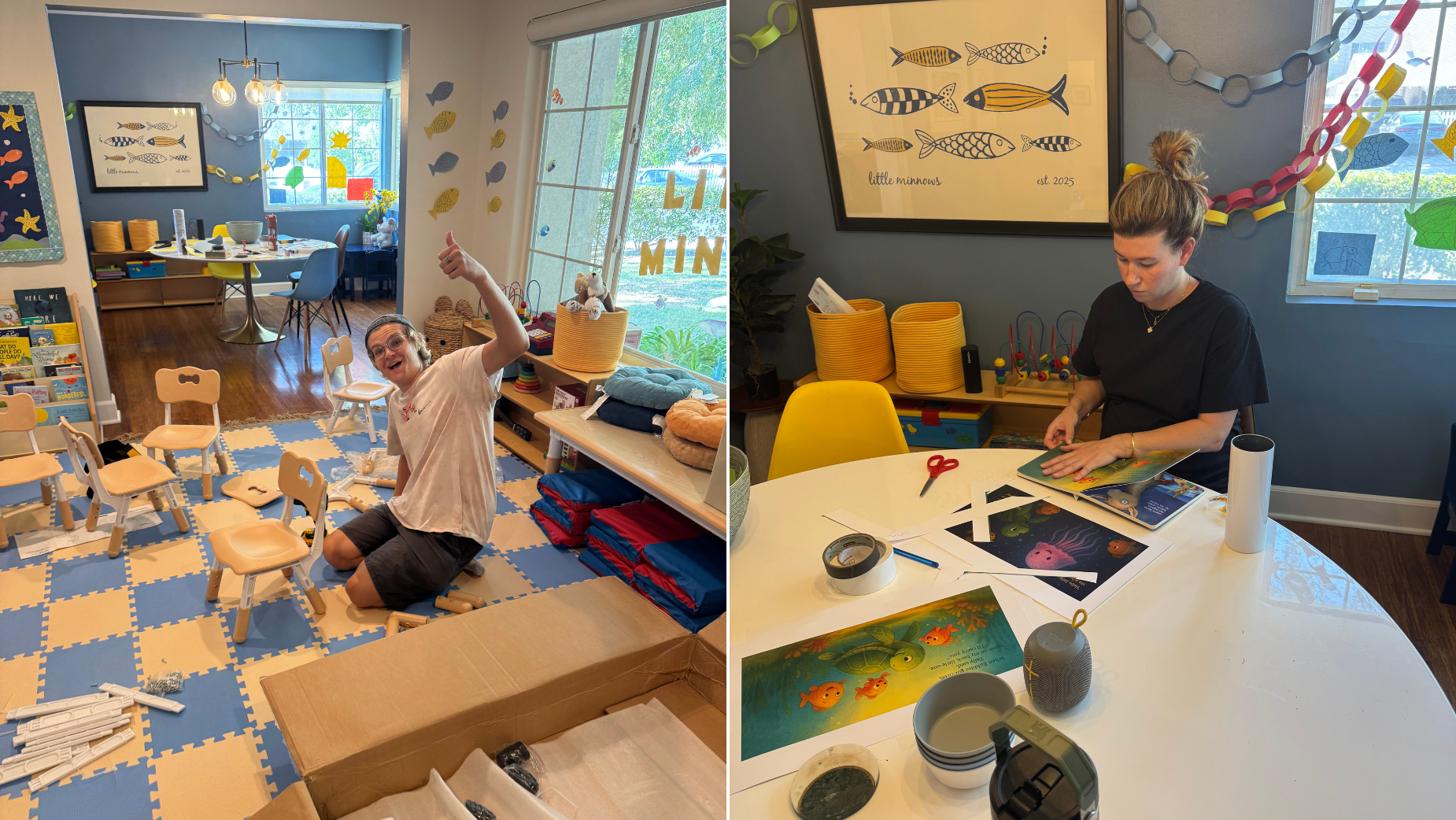
LBB> The production has some very personal touches, like filming at your own home and involving your wife as the production designer. How did these choices influence the feel of the commercial, and did the 'scrappiness' of it all help bring an extra layer of authenticity to the story?
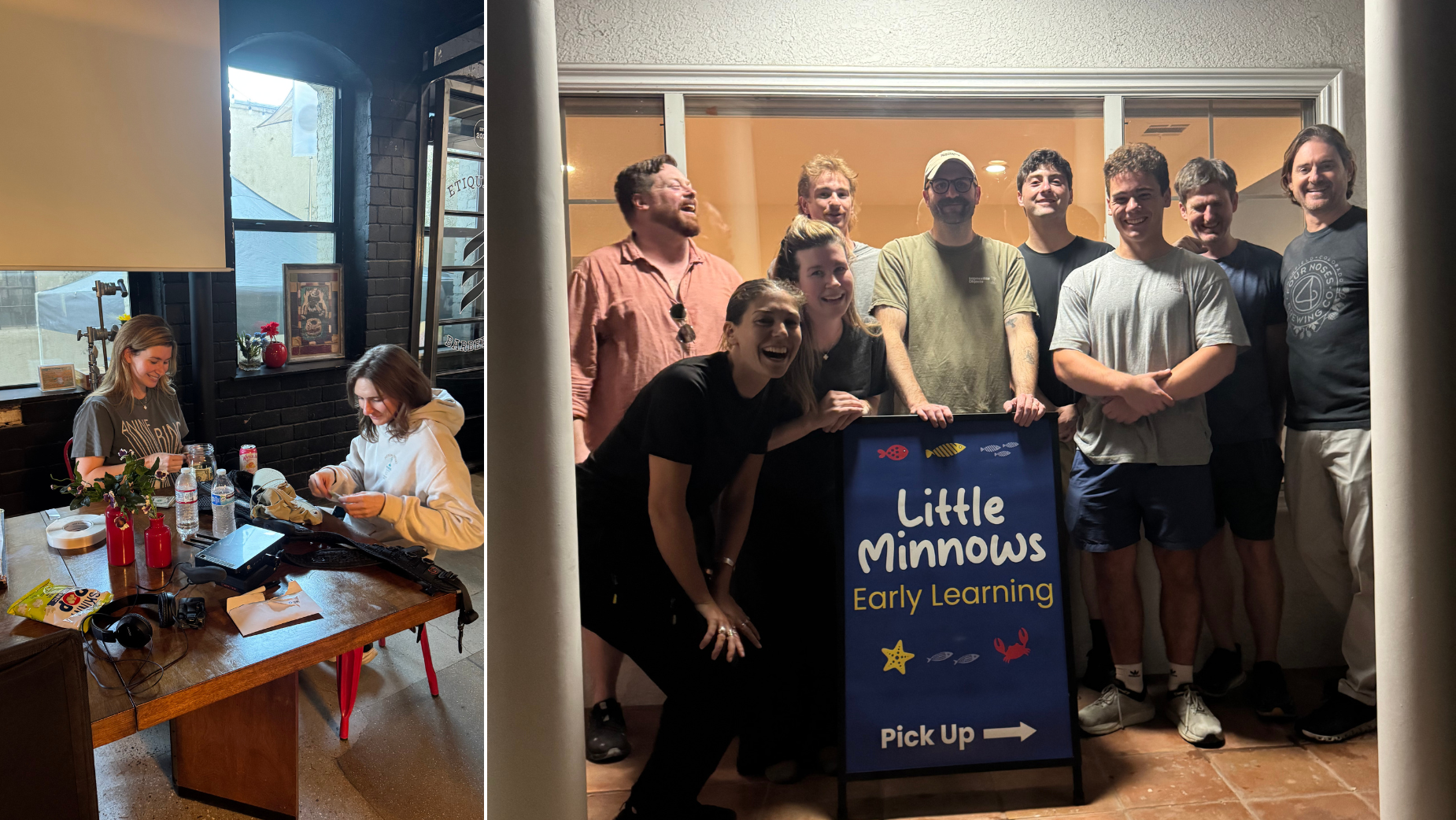
Nate> Absolutely. Shooting in our home and having my wife lead the production design brought an intimacy to the piece that would have been hard to create on a larger, more polished set. Furthermore, my wife was 35 weeks pregnant, and would give birth to our first child the following week. So that added another dimension of personal stakes, and personal connection to the story.
And the scrappiness helped. When the cause is noble, and the crew is small enough to really get in there and get their hands dirty. It was a labour of love for all involved – which is always felt on screen.
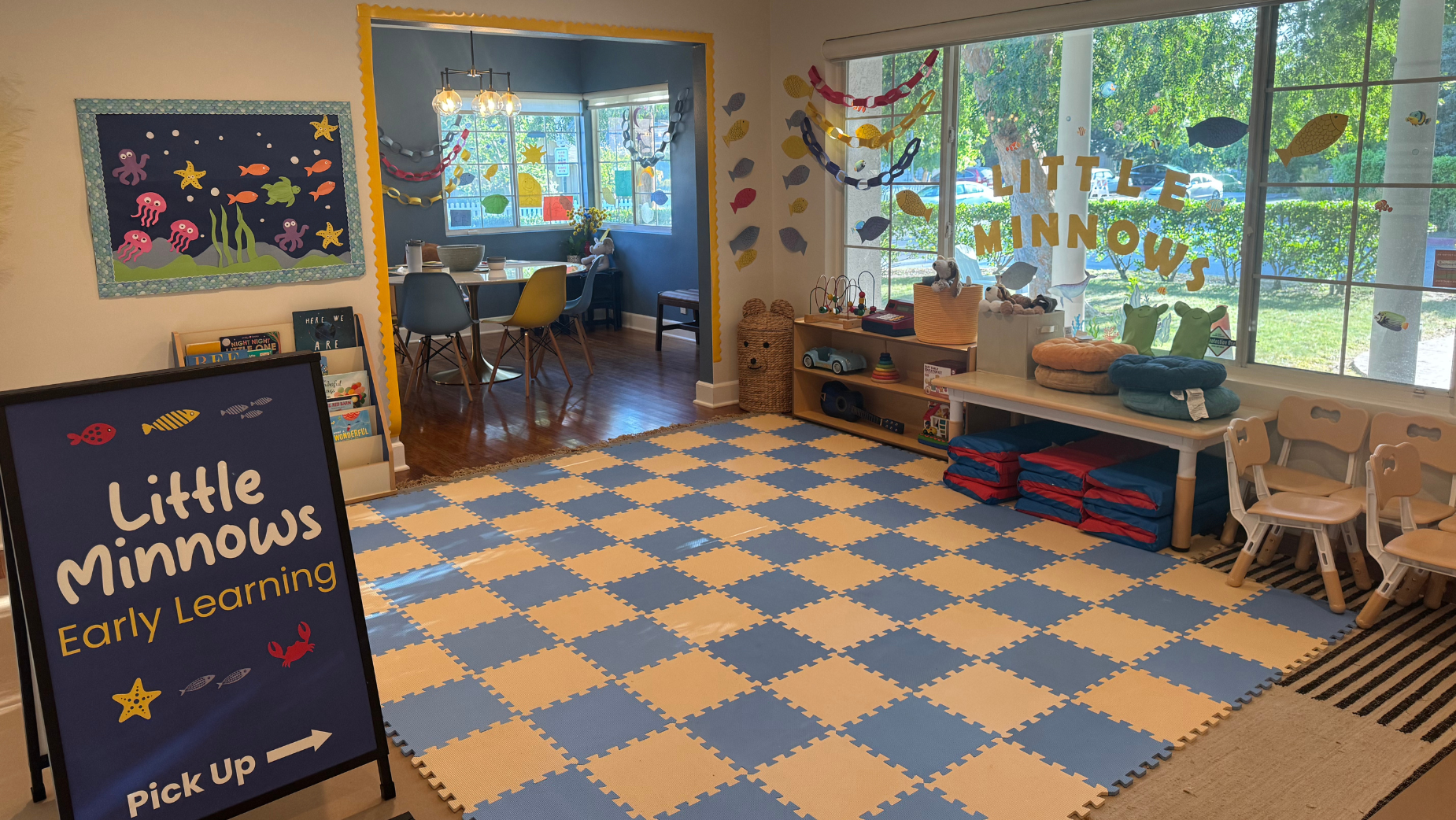
LBB> The PSA touches on the importance of childcare, with the daycare teacher playing a pivotal role in comforting the child. How did you approach capturing that balance between the child’s distress and the teacher’s calm, and what was the thought process behind casting for these roles?
Nate> The emotional balance was crucial. We wanted to honour the child’s genuine distress without tipping into melodrama, while also showing how a strong caregiver provides stability and reassurance. It’s a dynamic any parent recognises immediately.
Casting was everything. We chose actors who naturally embodied qualities like warmth, patience, and emotional intelligence. And because we had already cast a real mother and daughter, that authenticity carried into the caregiver’s interactions as well. She felt like someone who truly belonged in that world.
As far as directing three-year-olds, it was a challenge, as we knew it would be. Rather than overwhelm Journee with structure and marks and dialogue direction, we instead followed her lead, giving her the time and space to riff, and capturing it almost docu-style.
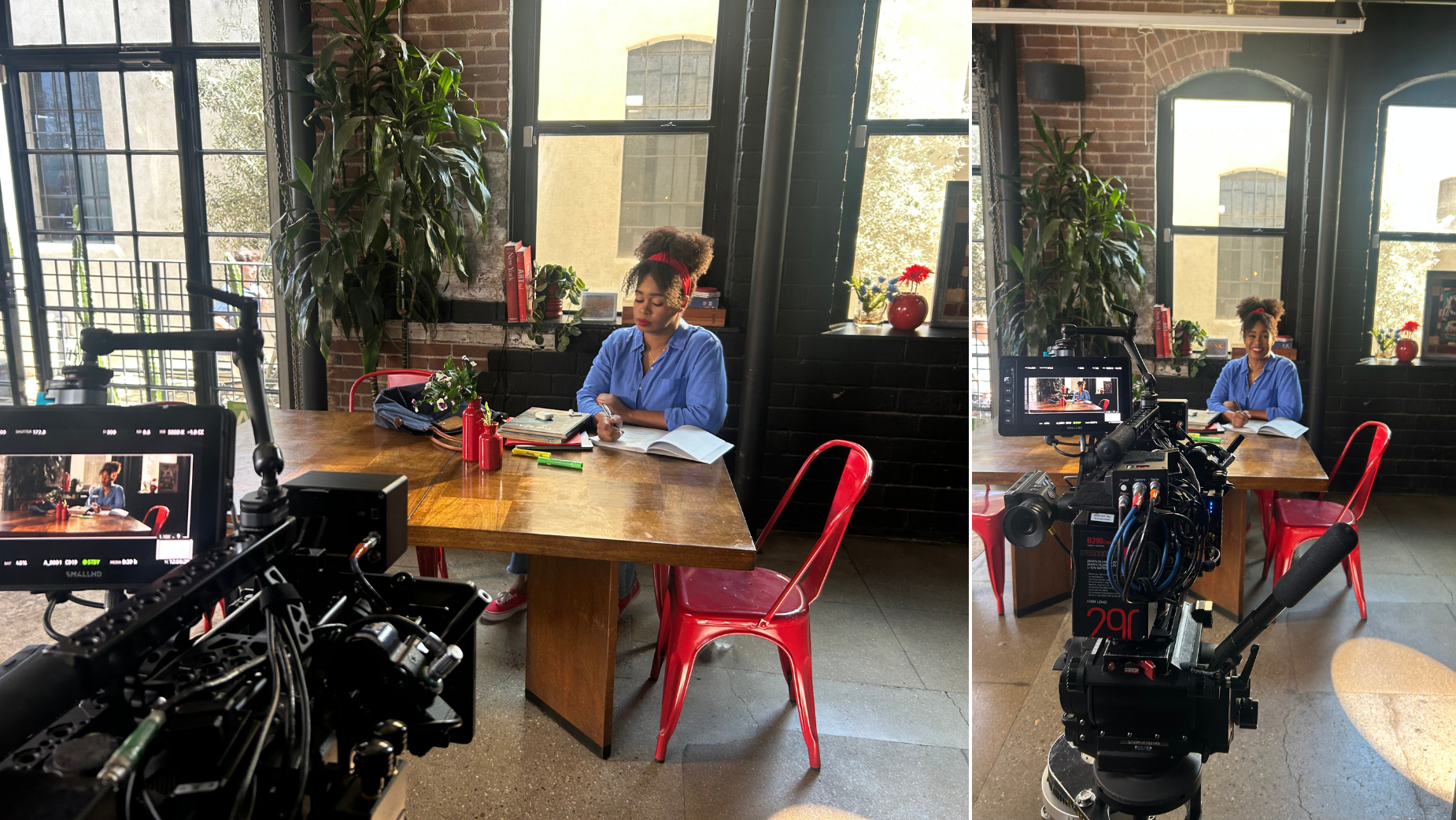
LBB> In your previous work, you’ve drawn from real-life experiences to create powerful, human-driven stories, and this spot for Early Edge carries that same sense of empathy. How did you approach working with the actors to ensure that genuine connection between the mother and child came to life on screen?
Nate> One of the challenges in commercial directing is that you often have very little time to build rapport with your actors before the shoot. With this spot, I made a point of connecting with Brittoni (the mother), Journee (the daughter), and Maria (the caregiver) well ahead of filming. We talked through the story, their characters, and the emotional beats. Brittoni and I spent time finding her personal entry point into the material.
By the time we arrived on set, there was already a sense of familiarity and trust. Everyone felt grounded and aligned in what we were trying to convey, which made those intimate moments feel authentic rather than manufactured.
Casting a real mother-daughter duo was a huge advantage. Their natural connection added a layer of truth that you simply can’t fabricate.
LBB> And finally, with Early Edge California focused on advocating for universal childcare, how did you ensure that the commercial not only told a heartfelt, relatable story, but also aligned with the larger mission and vision of the organisation?
Nate> For me, the best advocacy work doesn’t feel like advocacy. It feels honest and self-evident. While the spot is rooted in a straightforward, heartfelt narrative, every moment quietly reinforces the importance of accessible, reliable childcare.
The working mother’s morning scramble, the caregiver’s steady presence, the child’s trust — all of it reflects the reality Early Edge is working to address. Instead of presenting statistics, we chose to humanise the stakes. We showed what’s gained when families have support, and what’s lost when they don’t.
Throughout the process, we stayed closely aligned with Early Edge California’s mission, making sure the story honored both the emotional experience of parents and the essential role caregivers play. The hope is that viewers feel something first, and understand something deeper because of it.
Read more about Townsend Hurst's work here


