


Adapt or Die: The Visionaries Shaping Strategy’s Next Chapter


At a time when AI generates decks in seconds, creatives are rewriting briefs and every new platform shifts the rules of engagement, strategic thinking is under pressure like never before. The fundamentals still matter, but business as usual no longer cuts it.
That’s why 4As StratFest 2025: Adapt or Die, set to take place on October 7 in NYC, is more than just a conference. It’s a survival guide for strategists determined to thrive in an industry moving at breakneck speed.
On the eve of StratFest, the 4As Jay Chiat Awards recognise the thinking that pushes the industry forward. While separate, the two events are closely aligned—one celebrates strategic excellence, the other elevates the craft with tools, tactics and hard truths for what’s coming next.
In part one of this three-part series, we’re proud to spotlight some of the 2025 Jay Chiat Awards Visionary Strategist nominees. These are leaders with 15+ years in the trenches of agency strategy. They’ve built category-defining brands, led award-winning teams and redefined what’s possible.
These trailblazers share their unfiltered takes on the moments that reshaped their approach, the uncomfortable truths more strategists need to hear and the seismic shifts they see coming. Get a peek into their thinking.
Q> A moment that shifted how you think about strategy
Kate Rush Sheehy, chief strategy officer, GSD&M
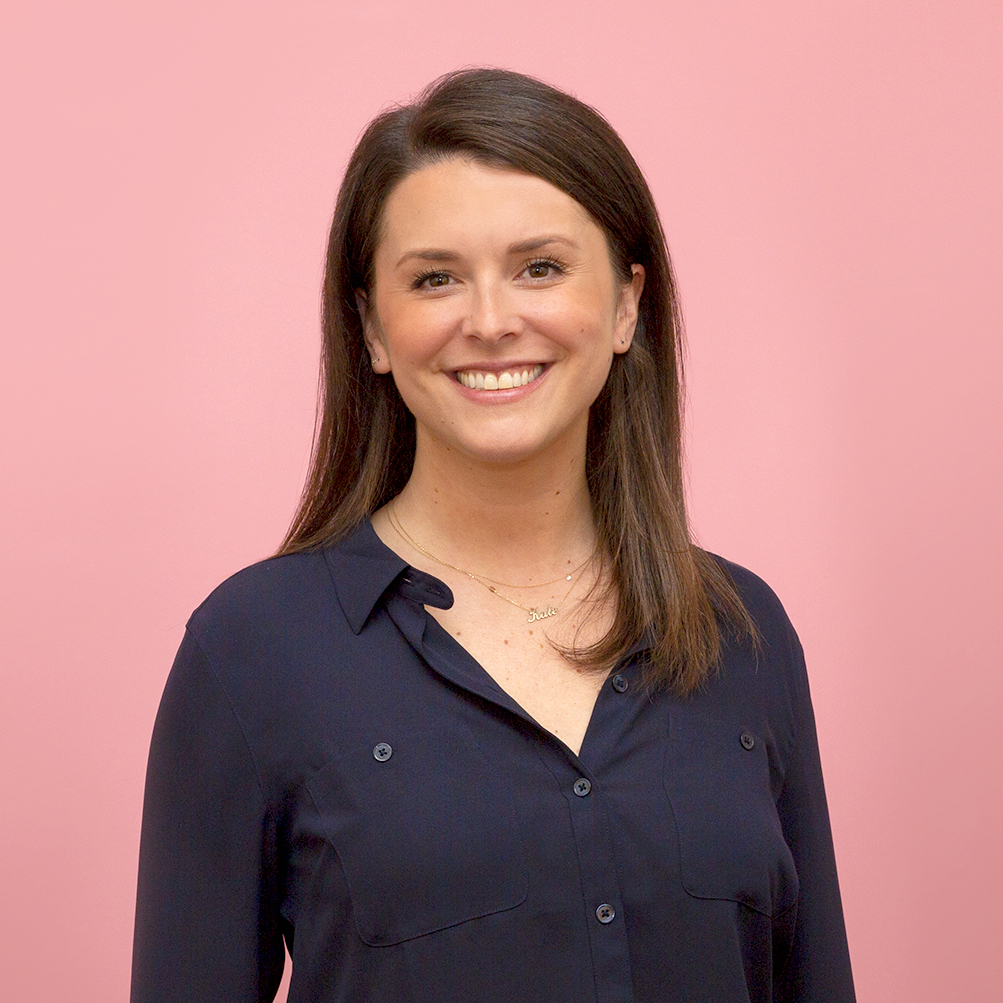
When I was on the brand side, I brought some of my agency bias with me - defending the work I’d helped create, explaining why it 'should' work and leaning on my expertise instead of truly keeping an open-mind to what else could work. I remember one meeting where feedback from a customer research session completely challenged my assumptions. My first instinct was to rationalise it away, but moments like that repeatedly remind me that strategy isn’t about having all the answers or claiming the corner on smarts. It’s about curiosity, humility and letting the insight lead - even when it surprises you.
Laura Frank, EVP strategy, Leo Chicago
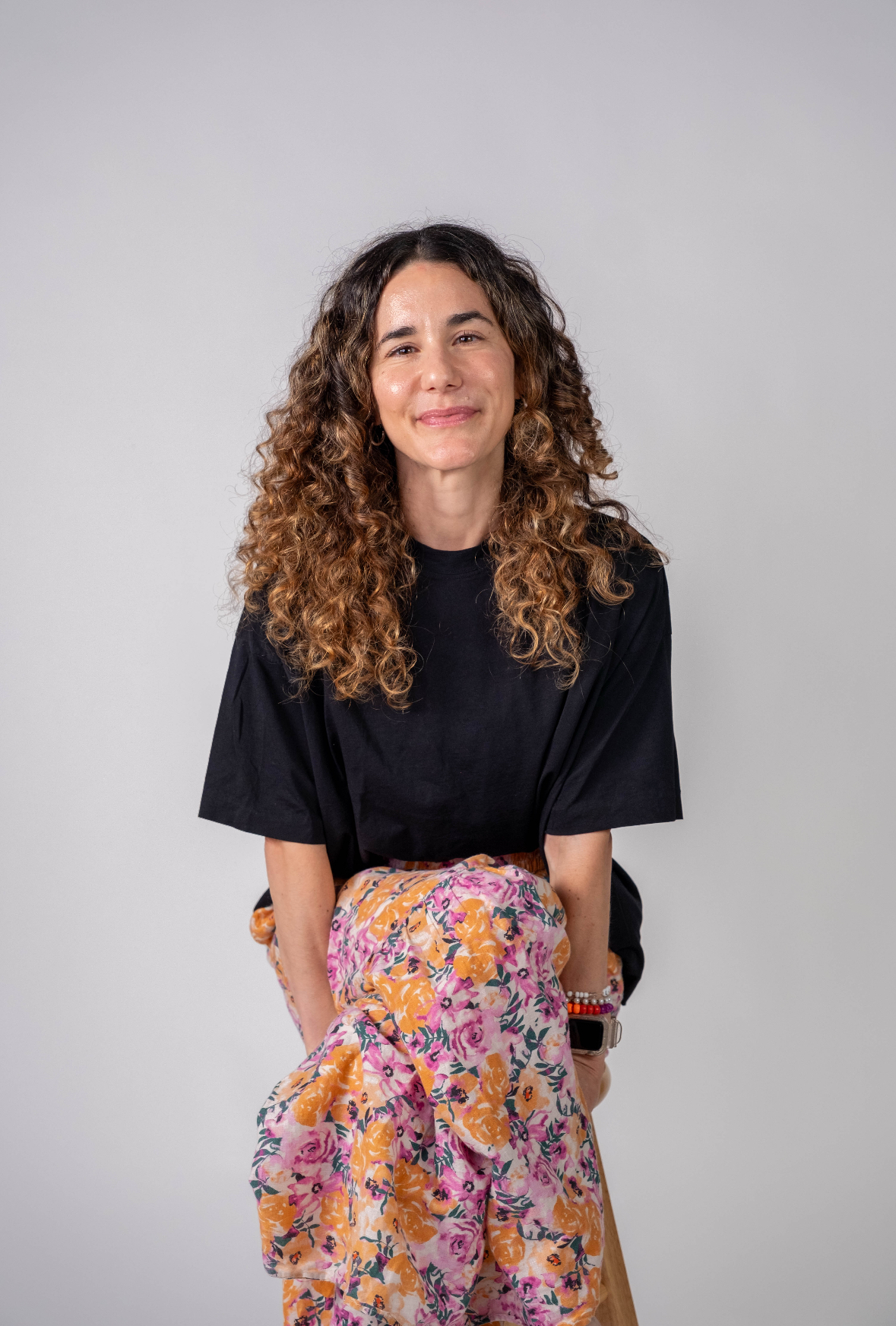
As I come to better understand the power and implications of AI, it occurs to me that of all the disciplines (in advertising and beyond), strategists are the best positioned to harness it.
We’ve been raised to write briefs. Good briefs. With the right balance of inspiration and information. Briefs that unlock the potential of human imagination. Isn’t this essentially the skeleton key to harnessing what AI is capable of?
She who gives the best direction will get the best results. And, perhaps best survive.
Nina Rossello, SVP, strategy, Allen & Gerritsen

Probably the most pivotal moment in my strategy career was walking away from it. I trained and worked as a clinical therapist. It fundamentally rewired how I think about strategy. The power of speaking as a listener, finding the right questions before looking for the right answers and sitting with discomfort and ambiguity have become the bedrock of how I think about audiences, collaborating with teams and show up for clients.
Tim Gingrich, SVP, creative strategy, We.Communications
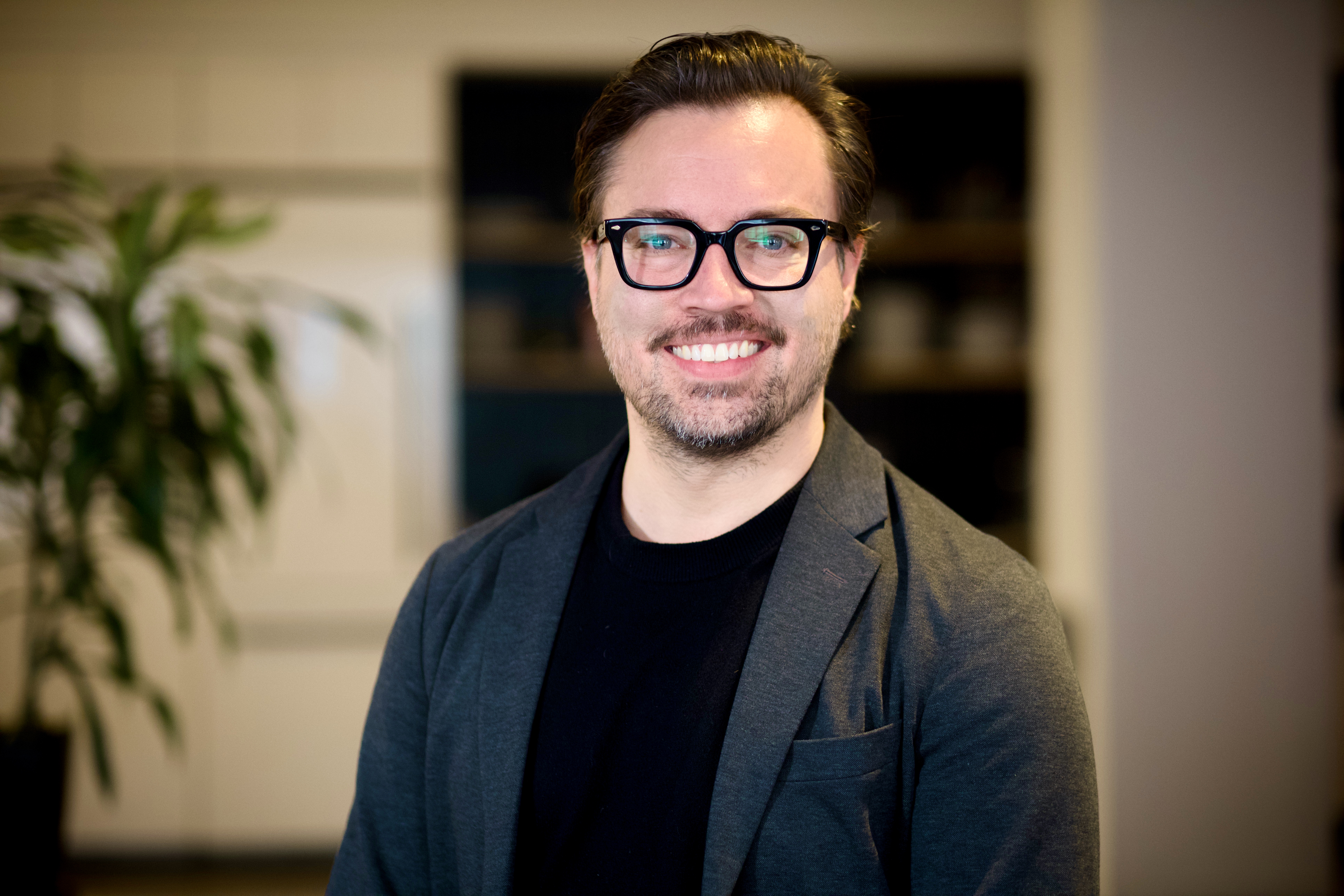
In the early days of the pandemic shutdown, there was a moment when companies didn’t know what would happen to the economy. How long would people stop eating out? How long until people started traveling again? Facing such an existential threat, no idea seemed too bold—no solution was out-of-bounds. I took the restraints off and vowed not to hold back anything that my clients needed to hear. I’ve never looked back.
Q> One uncomfortable truth about strategy that more people need to hear?
Kate> Data hasn’t made us smarter, it’s made us safer. And while I love how much data we have at our fingertips, the truth is it often gets used less for discovery and more for validation — a way to back up the path the team or client already wanted to take. Instead of unlocking new possibilities, it becomes a risk mitigation tool, a way to make sure no one gets blamed if something doesn’t work. But strategy isn’t supposed to be about minimising downside; it’s about maximising upside. Some of the most transformative work at GSD&M — like 'Don’t Mess with Texas,' Southwest’s 'Wanna Get Away,' or Popeye’s 'Chicken Wars' — didn’t come from a dataset; it came from intuition and a clear sense of the cultural consciousness.
Laura> We’ve forgotten about people. Just look at the language we use in practice: consumers, targets, growth audiences. Data (while wonderful) has supercharged this limited perspective on human beings.
People feel it too.
According to Leo’s recent HumanKind Study, 45% of people agree 'I don't feel like very many people genuinely think about me or care about me' with 60% saying, 'I don’t think that large institutions have my best interest at heart.'
As 'voice of the people', strategists have a duty to correct for this sad truth.
How? By advocating for IRL research, both formal and freestyle. As much as it might seem like an added step in the context of compressed timelines, engaging with real people in the real world can reveal insight no data set could ever contain. And beyond insight, human contact generates empathy. This is my firm belief and soapbox from which I will not be removed.
Stephanie Ehui, head of connections, TBWA|\Chiat\|Day
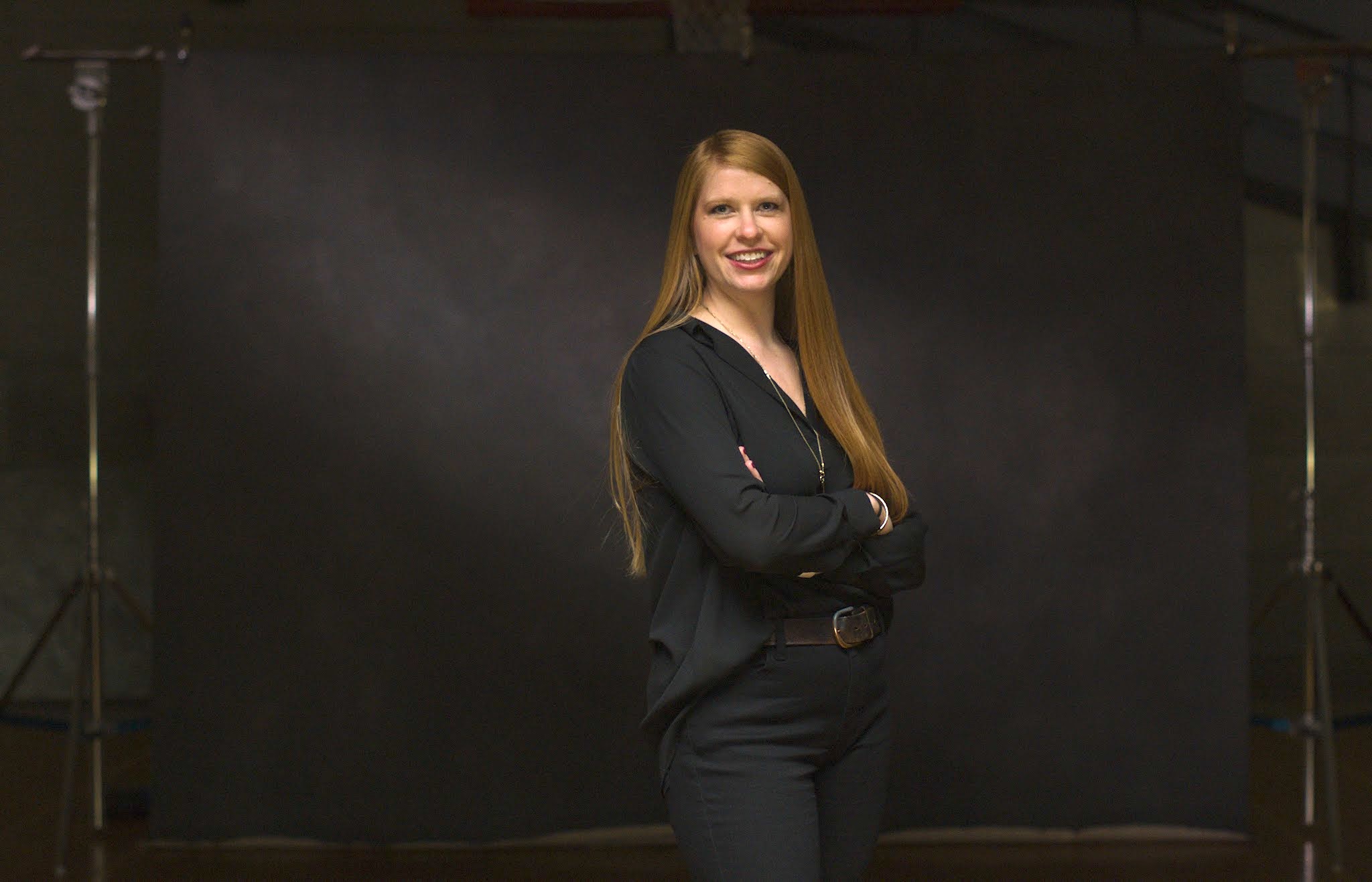
In recent years, too often I’ve heard creatives say they don’t need to wait for the creative brief; the client brief has everything they need to get going. This is concerning for many reasons. As strategists, we need to take a hard look at what we’re bringing to the table and ask ourselves if we've lost our potency. Are we overcomplicating the assignment rather than getting to extreme clarity and focus?
Tim> Too much of strategy is merely sorting and filtering spreadsheets until we find the audience that is most likely to like us anyway. It’s shirking our primary responsibility: persuasion. If your client is growing, then sooner or later you will have to go after a buying target that doesn’t like you or look like someone who does. That’s where the fun begins.
Q>A shift on the horizon that most people aren’t ready for?
Kate> AI is the obvious answer, but the less obvious shift is how it’s reshaping people’s expectations of brands. When machines can generate 'good enough,' brands will be forced to choose: do we settle for efficient sameness, or do we invest in distinctiveness that only human imagination, empathy, and cultural intuition can deliver?
The best brands will learn to use both, leveraging AI for scale and efficiency while still calling their agency partners for creativity that no algorithm can replicate.
Laura> People aren’t prepared for the 'single, childless woman' who’s financially capable of living her best life. But they most definitely should be because they will fundamentally shift how power and money flows through culture. According to a Pew Research Center study from 2023, 47% of women younger than 50 without children said they were unlikely ever to have children, an increase of 10 percentage points since 2018. Per Pew, childfree women express that not having kids makes it easier for them to afford things, make time for interests and save for the future… all to the tune of $15 trillion in purchasing power.
Imagine if the market was to reorient around what this group really wants? Think: vacation packages for 'the girls,' packaged food in sizes that don’t expire before consumption, communities designed for friendship groups, self-serve luxury. Brands with first mover advantage won’t just be first to capture the immediate opportunity, but also loyalty down the road. I for one, am very much looking forward to it !
Stephanie> With all the benefits of AI and streamlined processes, we haven’t quite cracked what our teams will look like in the future. The talent pipeline. Who and how will we be developing the next generation of strategy leaders if most of the entry and mid-level work is moving to AI?
Tim> Answers are becoming commodities. Data alone is no longer an advantage. Even insights, in isolation, aren’t guaranteed to give you an edge. If you know it, chances are your competitors do too. When anyone can instantly and inexpensively get the answer to any question, the only thing of any real value left in a knowledge economy will be knowing which question to ask. To adapt, strategists must master the art of formulating Big Inquires.
Q> In a world flooded with data, noise and trends, what keeps your thinking clear?
Kate> At GSD&M, we often reference something Herb Kelleher, founder of Southwest Airlines, used to say: 'We have a strategy, it’s called doing things.'
That’s what keeps me clear. Every marketer is drowning in decks, frameworks and trends but strategy only matters if it makes its way into the real world. The best strategists aren’t the ones with the prettiest slides or the most information; they’re the ones who can cut through the clutter and make the right path feel both irresistible and obvious.
That means knowing when to paint a picture of the people we need to win with versus inspire clients with the role their brand could play. The sense of when to tell a powerful story vs. get to the point with the data that matters. It's situational and changes based on the brand, what clients are in the room or even how their day is going. That means it takes the perfect blend of EQ and IQ, but when you strike that balance, strategy becomes unstoppable.
Laura> Doing my best to forget everything I know! What does that look like? Workouts. Wine. Dancing in the dark. Anything that creates distance physically or mentally.
Said differently, think of our practice like a magic eye poster. You have to back up and look at the bigger picture to see an image emerge. Patterns only appear with perspective.
Nina> Spending time with other humans. Data and trends give us valuable information and can help us create a map of the world. But data rarely helps us understand what it feels like to be human in it. Whenever I feel stuck in all of the information, I stop chasing it and instead look for ways to build intimacy. That might be conducting an ethnography, facilitating a client workshop or sitting down and having a simple conversation with a teammate. It's funny that we used to take that kind of connection for granted. In today’s world, it's a deliberate, almost rebellious act.
Stephanie> People, plain and simple. It’s easy to get lost in the data, the trends. But I always come back to my close circle to keep me grounded. 'Do you care?' 'Would you care?' 'Does that make you feel something?' 'Would you engage with that?' 'Go to that experience?' More often than not, the answer is no. Stepping outside the data, the best practices, our industry itself, is the only way I’ve found to stay sharp and connected to the human experience.
Q> A belief or assumption in our industry you’ve challenged or been unwilling to accept as a strategist?
Kate> That strategy’s role is to hand off a brief to creatives and then step aside. At GSD&M, I’ve pushed against the notion that strategists are simply researchers or brief writers. We are thinkers and makers! Shapers of ideas, co-conspirators in the work and voices for the customer inside the room at every stage. Strategy doesn’t stop when the brief is written. That’s where it starts. And great strategists understand that all the little decisions that get made leading up to production (and post!) are where they can also be impactful in getting a great idea made.
Nina> It's the subtle but persistent assumption that the most valuable experience is consecutive industry experience; the best career path, a linear climb. I have always challenged that and I actively seek out those who are just as determined to do so (Monica Lorusso here at A&G). Stepping away to become a therapist or raise a child or work on the client side or sell art has given me a depth of human understanding that more years inside an agency likely could not have. I continue to see proof that some of the richest insights and strategies are built from cumulative life experience, not a list of campaigns.
Stephanie> Comms planning, after an idea is landed, is not good enough. Today’s consumer is in the driver’s seat. Skip, block, swipe…the people are in control. And so ideas must be engineered with amplification from the start. Ideas must consider what will make the audience care. And by that I don’t mean just the human truth or problem to solve, but truly potent enough for people to lean in and listen.
Tim> There’s a widespread assumption that you have to change people’s hearts and minds before you can change their behaviours. We even talk about it in that order: think, feel, then do. But our job as strategists is understanding people so well that we can influence their behaviour based on something they already believe. People are usually resistant to change. A smart strategy can get people to take action by harnessing their own beliefs and feelings rather than fighting against them.
Q> The first thing that comes to mind when you think of this year's StratFest theme: Adapt or Die?
Kate> Fear not, no one's going to die. The theme this year is less about survival and more about reinvention. Strategy has always been about change—changing perceptions, behaviours, audience targets. 'Adapt or die' is a reminder that the same is true for us: our tools, our approaches, our role in the room. Especially in a world where AI is rewriting how 'creativity' comes to life, culture happens overnight on platforms that didn’t exist three years ago. People expect brands to stand for something one day and to stay out of the conversation the next.
The strategists who thrive won’t just chase these shifts; they’ll anticipate and make them their own. That means experimenting with new tools instead of fearing them. It means spotting the human behaviour beneath the fleeting trend. And it means helping brands play roles in culture that are braver and more useful than they’ve been before.
Nina> That this could be the theme every year. Strategists, by the nature of the job, have to constantly adapt to the changing world or we render ourselves irrelevant. That's what makes it fun.
Tim> It starts with A and it ends with I. Unfortunately, a lot of marketers are missing AI’s true potential. People are trying to use this technology to make our jobs more efficient. But there are diminishing returns. We’ve been getting more efficient for decades, yet it hasn’t made the results better. Do we seriously think that using a supercomputer to do the work of a junior copywriter is efficient? AI needs a creative shift: it’s not just an input; it can also be an output. Let’s start creating AI-powered things that solve problems for the consumer. Let’s use AI to do things that humanity could otherwise not have done.
Up next: Part 2 of this series will feature the 2025 Jay Chiat Awards Emerging Strategist nominees.
Now is the time to secure your spot at StratFest, happening October 7 in NYC.


